
Poor leadership does not always arrive loudly.
Sometimes it walks in quietly, wearing titles, sitting in offices, shaking hands, and smiling for cameras—while slowly draining hope from the people it is meant to serve.
The real tragedy of poor leadership is not just failed projects or broken promises. It is the silent damage it does to human lives. It steals time. It kills dreams. It teaches people to expect less from life, and worse—from themselves.
When leadership lacks vision, people wander.
When leadership lacks integrity, trust collapses.
And when leadership lacks empathy, suffering becomes policy.
Leadership Is Not Position—It Is Responsibility
A leader is not defined by how high they sit, but by how deeply they understand the weight of those below them. Yet poor leadership often mistakes authority for wisdom and power for purpose. It speaks loudly but listens little. It demands loyalty but gives none in return.
Poor leaders surround themselves with praise, not truth. They fear accountability because it exposes their emptiness. Instead of building systems that work, they build walls that protect their egos. Instead of empowering people, they control them—because control feels safer than competence.
And the people pay the price.
The Human Cost No Report Can Capture
Poor leadership looks like graduates roaming the streets with certificates that mean nothing.
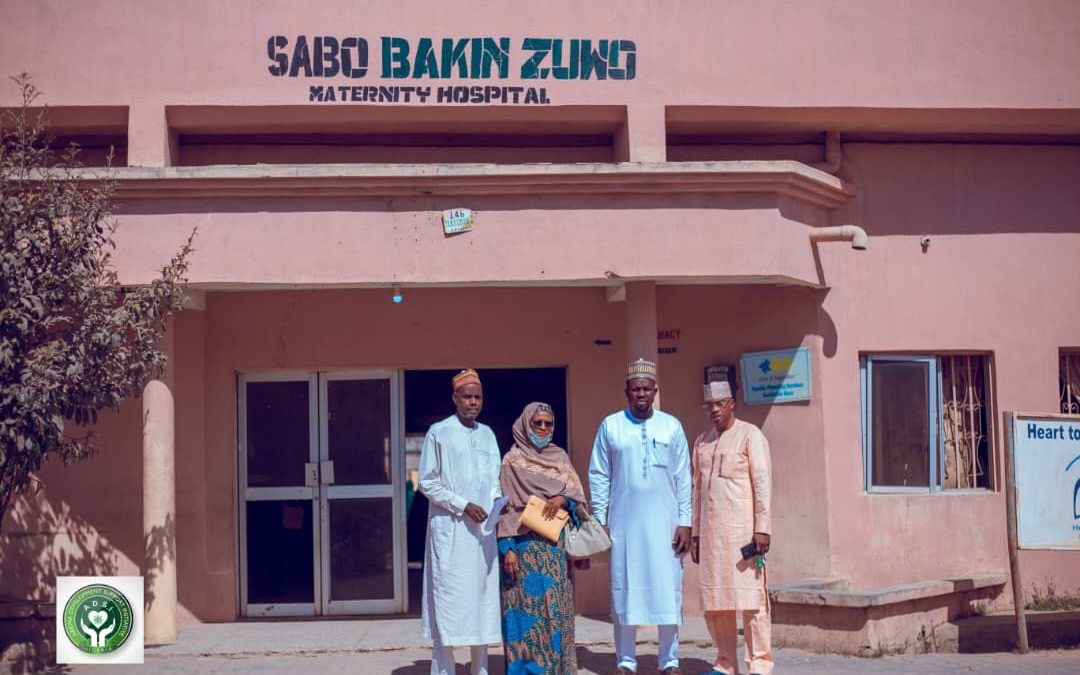
It looks like hospitals without equipment and teachers without motivation.
It looks like talented youths leaving their homeland—not because they hate it, but because it failed them too many times.
It looks like parents working endlessly yet remaining poor.
Like dreams postponed until they quietly expire.
Like citizens learning to survive rather than live.
These are not accidents. They are consequences.
Behind every statistic is a human story—a child whose future was delayed, a worker whose effort was ignored, a nation whose potential was wasted.
When Leaders Forget Why They Were Chosen
The saddest thing about poor leadership is not incompetence—it is indifference. The moment a leader stops caring about the people, leadership becomes performance. Decisions are made for applause, not impact. Policies are written for headlines, not healing.
Poor leaders promise change but fear sacrifice. They want the rewards of leadership without the burden of service. They forget that leadership is not about being seen—it is about being responsible, even when no one is watching.
And so, the cycle continues: broken trust, repeated disappointment, and growing cynicism.
What Poor Leadership Teaches a Generation
Perhaps the most dangerous effect of poor leadership is what it teaches the young. It teaches them that honesty does not pay. That excellence is optional. That connections matter more than competence.
It teaches them to lower their standards.
To stop believing.
To stop trying.
When leadership fails consistently, hope becomes fragile. And a society without hope is easy to control but impossible to develop.
A Quiet Call for Better
Yet, even in the ruins of poor leadership, something stubborn remains—people who still care. People who still show up. People who still believe leadership can be better because it must be better.
True leadership is not perfect, but it is sincere.
It admits mistakes.
It listens before acting.
It places people before pride.
Good leadership does not ask, “How does this benefit me?”
It asks, “How does this protect, uplift, and empower others?”
Because Leadership Shapes Tomorrow
Every society eventually becomes a reflection of its leadership. Poor leadership leaves scars that take generations to heal. But good leadership—honest, courageous, people-centered leadership—can rebuild what was broken.
The question is not whether poor leadership is costly.
We already know the answer.
The real question is: how long will we continue to accept it?
Because leadership is not a privilege to enjoy—it is a duty to serve. And when leaders forget that, the people remember… painfully.
Leadership and Politics: Nigeria’s Unfinished Promise
Leadership in Nigerian politics was never meant to be a performance, yet it often unfolds like a poorly rehearsed play. Promises are shouted from podiums, banners flood the streets, and hope is borrowed from the poor like a campaign loan—never repaid. True leadership...

0 Comments